FROM THE TREE TO THE BOTTLE AND ON INTO THE FUTURE
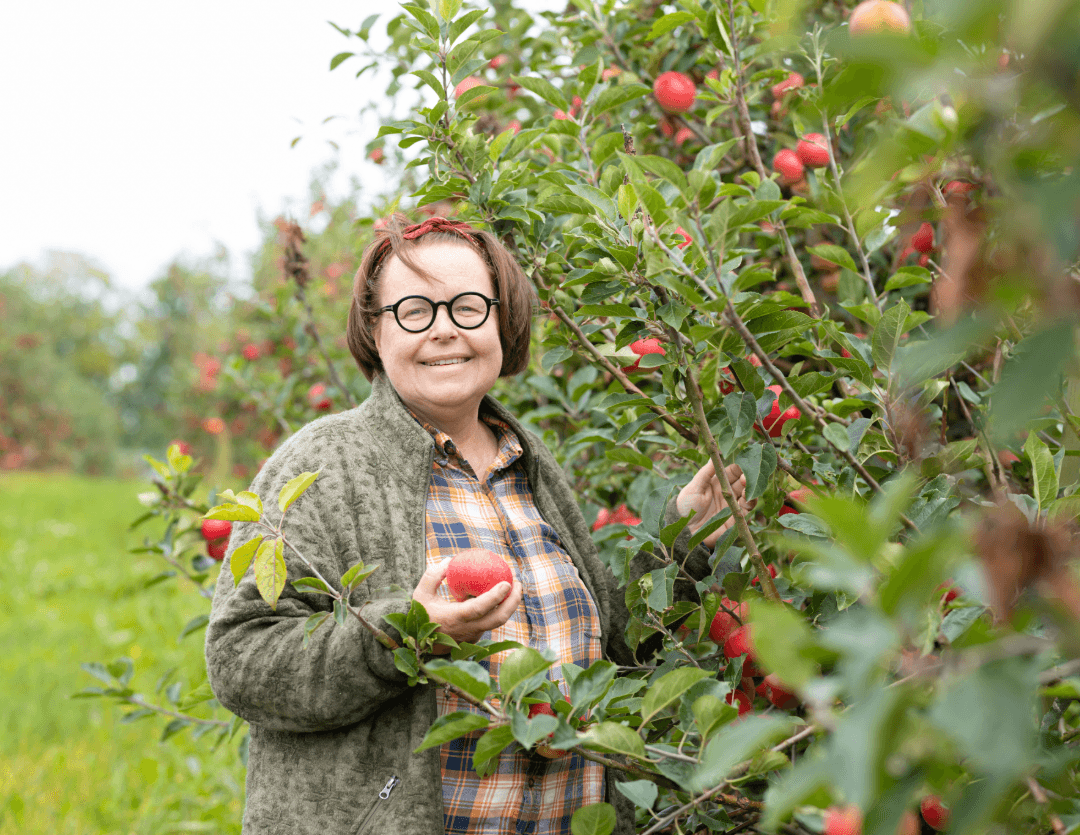
The apple is perhaps Sweden's most everyday fruit. But around the country, a small apple revolution is underway. With support from Leader, new orchards, cideries, cider training, visitor destinations, and unexpected collaborations are developing. From old apple orchards in Österlen to search dogs sniffing out diseases in fruit trees, the projects show how a simple fruit can create entrepreneurship, jobs, and hope for the future in rural areas.

The apple in the tree: Everything starts in the apple orchard
In Vittensten in western Värmland, the growers Öistein Jamtveit and Jan-Erik Sannerud have for several years tested around 80 different apple varieties to see which thrive best in the local climate. Which ones yield abundant harvests? Which withstand the weather? And perhaps most importantly – which can become the foundation for the future Swedish cider? With support from Leader, more land has been prepared with irrigation, fencing, and planting systems to give new apple trees the best possible start.
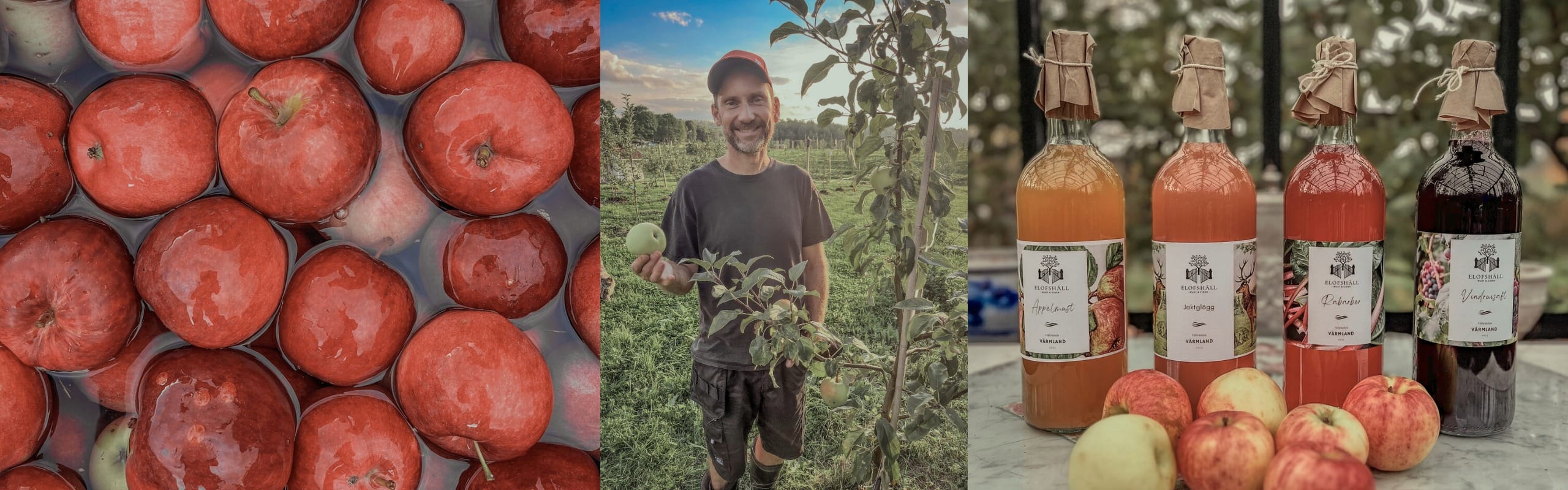
Photo: Elofshäll Must & Cider
Further east, in Roslagen, the company Ciderbruket has chosen to focus primarily on English and French cider apples, which are still uncommon in Sweden. Unlike regular eating apples, they contain more tannins and less acid – characteristics that contribute to depth and complexity in the flavors of cider. By using new cultivation methods and a semi-strong rootstock with good hardiness they see how the varieties perform in Swedish conditions.
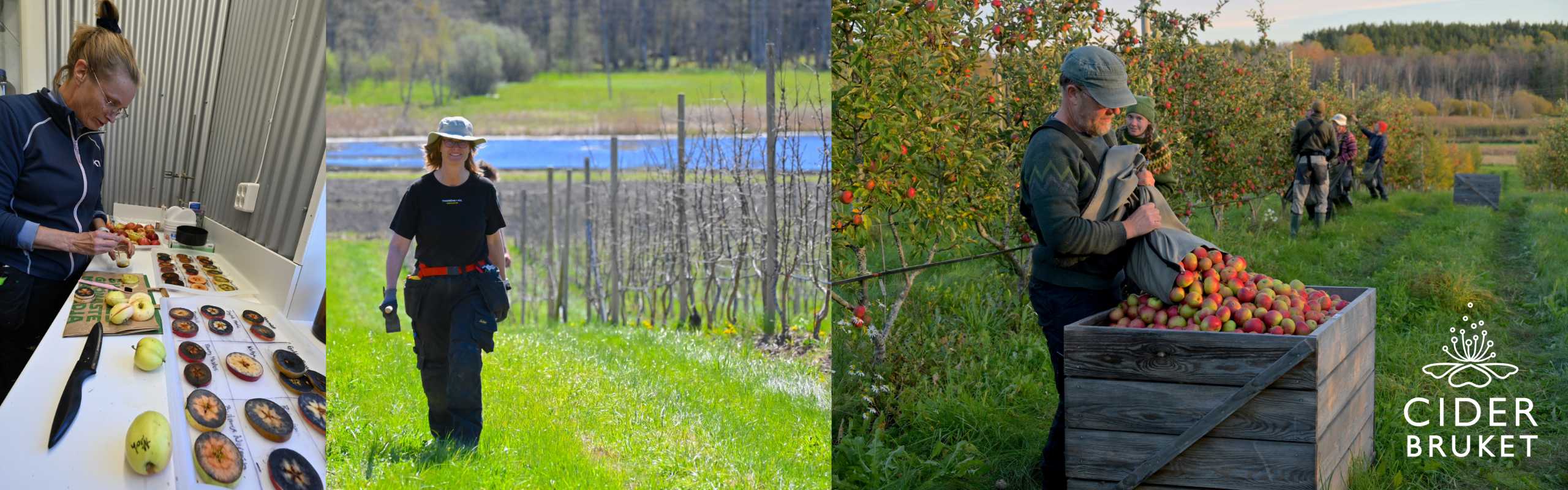 Photo: Ciderbruket
Common to both initiatives is the desire to learn new things. It’s not just about planting more trees, but also about finding out which varieties are best suited for future cultivation and processing. From the trial orchards in Värmland to the cider orchards in Roslagen, knowledge is growing about which apples can find a place in the next chapter of Swedish apple history.
”It's not just about growing more apples, but about finding the flavors of the future.”
The apple at harvest: When the apples are to be processed
Growing apples is one thing. Taking care of them once they are picked is another. Once the harvest is in, the fruit must be sorted, stored, packed, and transported. For smaller growers, it can be both costly and time-consuming to arrange everything on their own.
In Sörmland, three apple growers therefore began to consider whether there was a smarter way. With support from Leader Valinge Gård , Hem till Forssa, and Tiefensee apple orchard have conducted a feasibility study on the possibilities of collaborating in the future around the storage, sorting, and distribution of Sörmland apples., Instead of each grower building their own solutions, they have looked at what could be done together. This could involve shared facilities, shared equipment, or coordinated transport.
The feasibility study.
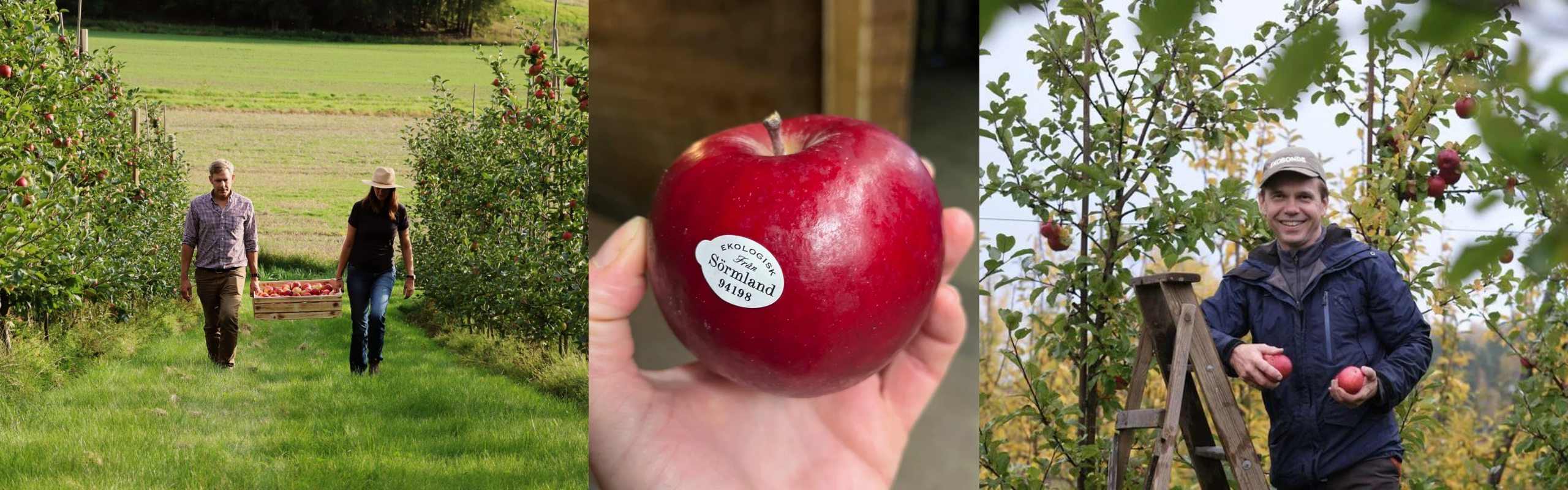 Photo: , Hem till Forssa, and Tiefensee apple orchard have conducted a feasibility study on the possibilities of collaborating in the future around the storage, sorting, and distribution of Sörmland apples. & Tiefensee apple cultivation
”We believe that the future for Sörmland apples is bright – and that we are stronger together.”
The apple in the bottle: When the apple gets a new life
Around the country, Leader projects have helped growers and entrepreneurs refine their harvest into juice, cider, and vinegar. At Ehrenhofer's farm in Lödöse they invested in their own facility for juice and non-alcoholic cider. At the same time, the opportunity opened up for other growers to submit their fruit for juicing, which has created new collaborations in the area.
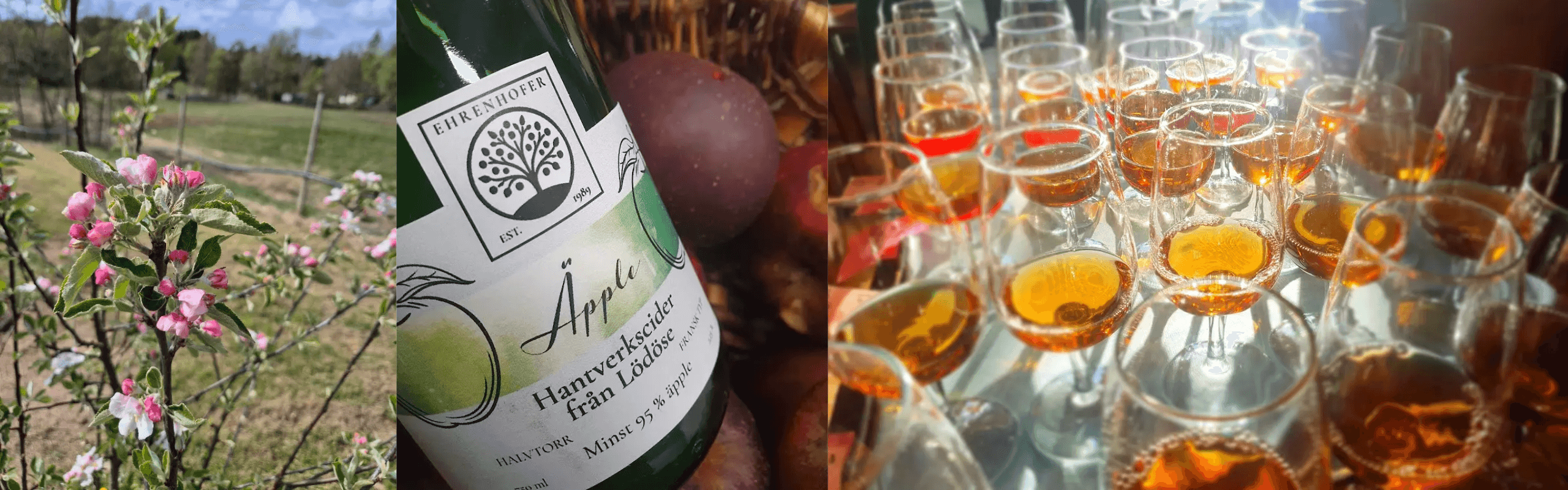
Photo: Ehrenhofer's farm
In Mellösa in Sörmland, Högtorp farm took another path. There, Leader support was used to develop a vinegar factory focusing on organic products based on apples and Nordic flavors. What starts as a fruit in a cultivation can thus end up as something completely different on the dinner table.
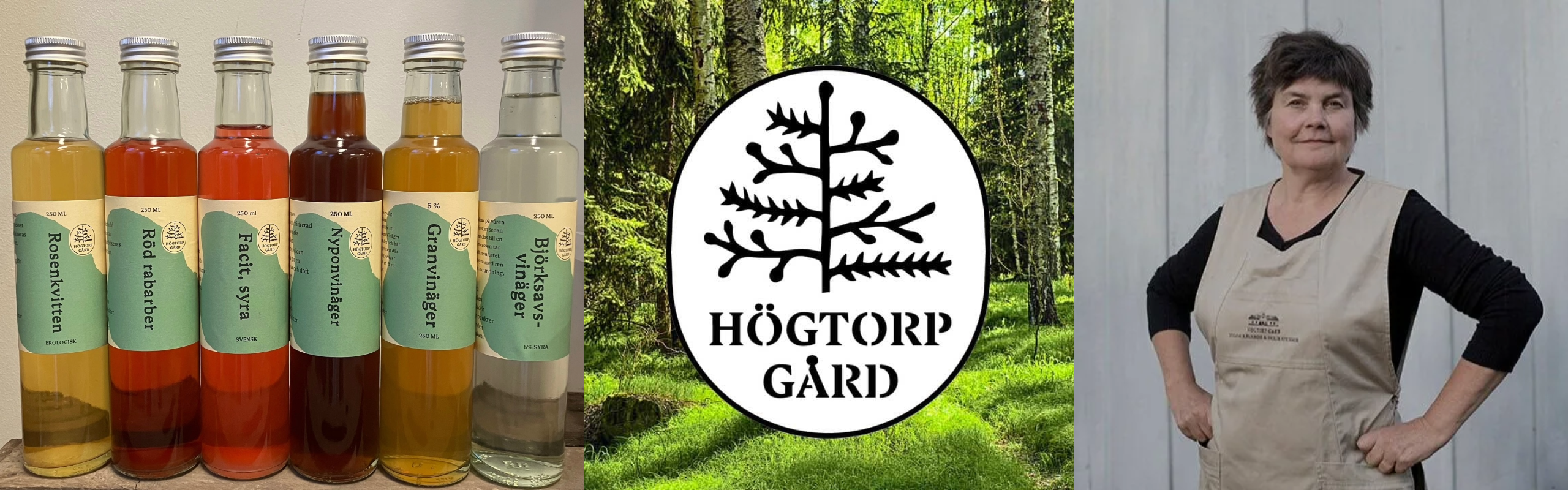 Photo: Högtorp farm
Cider has also gained an increasingly prominent place. In Roslagen, Ciderbruket cider apples that have previously been uncommon in Sweden are being tested. In Skåne, Swedish Must & Cider Producers efforts have been made to strengthen Swedish quality cider and provide more producers with tools to develop their beverages. In several parts of the country, a new drinking culture is emerging – with the apple as a common denominator.
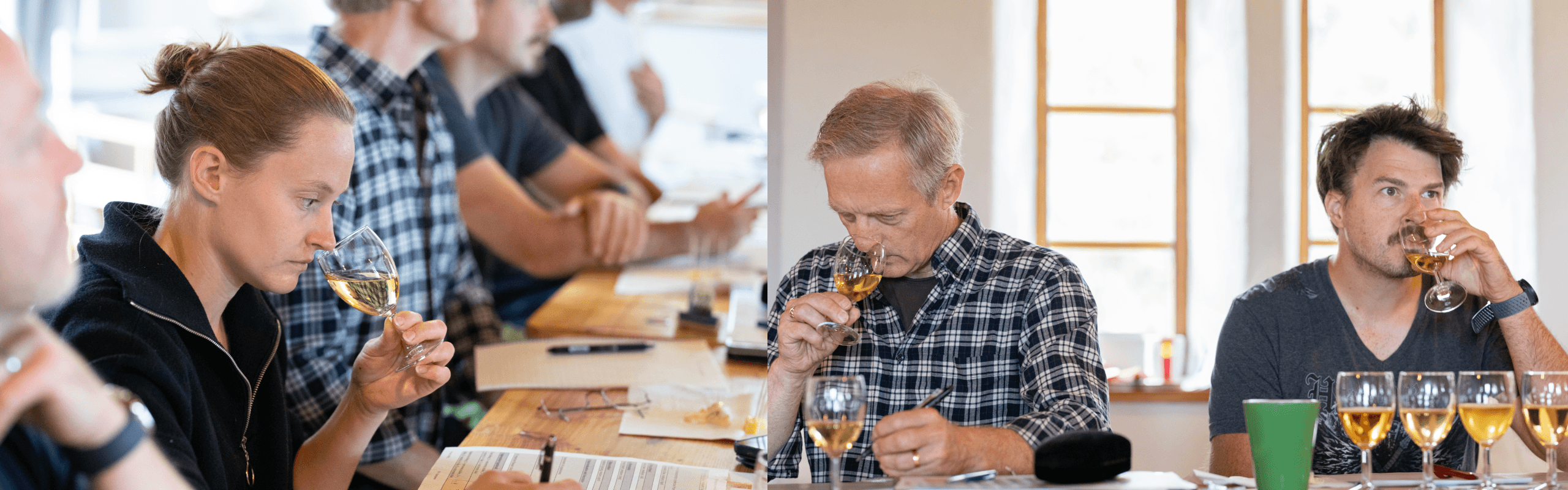 Photo: Torun Börtz
Common to the initiatives is the desire to take advantage of the apple's possibilities. With knowledge, equipment, and patience, a harvest can become so much more than raw material – it can become a new product, a new company, or a reason for people to gather around local flavors.
”It is only after the harvest that many apples begin their most exciting journey.”
The apple as a driving force: When knowledge and ideas are allowed to grow
The apple is not just about what ends up in the bottle. It has also become a reason for people to meet, learn from each other, and develop new ideas.
In Bergslagen, Hjulsjö 103 explored the possibilities of creating an education in artisanal cider production using Swedish apples. Through interviews, surveys, and conversations with producers, not only new knowledge emerged, but also new contacts and networks. The project showed that the interest in cider is great and that many are requesting shorter and more accessible education.
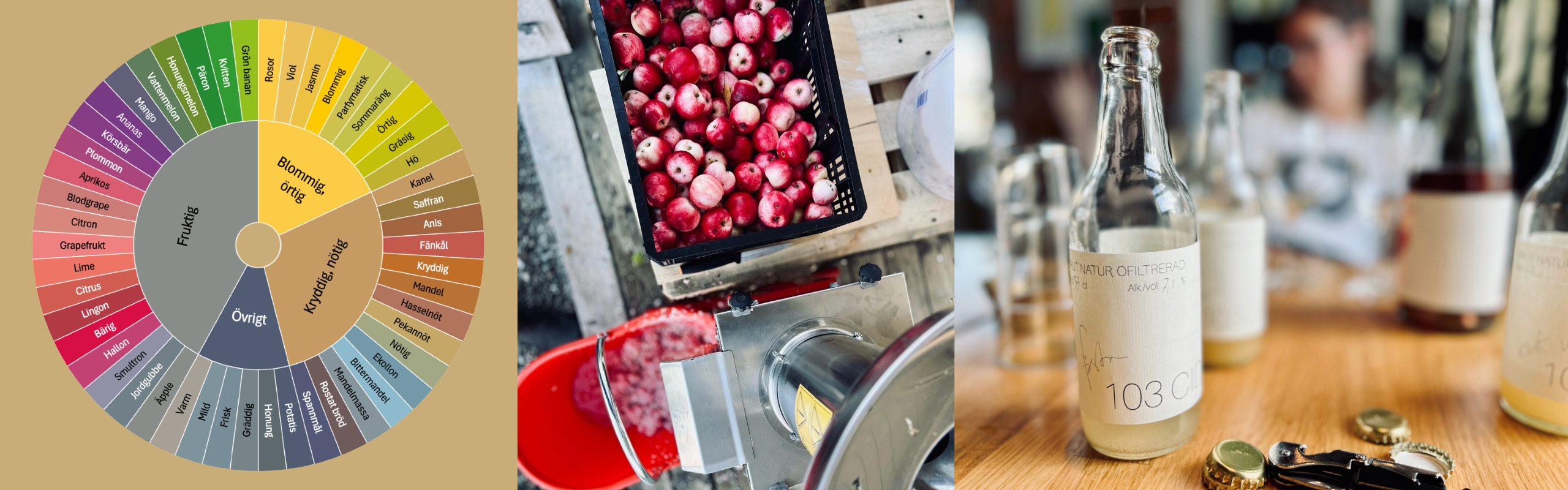 Graphics and photo: Hjulsjö 103
In Sörmland, gathered Nordic Craft Cider Festival cider producers from different parts of the country to discuss craft, quality and future issues for the industry. For many participants, the conference became an opportunity to make contacts, share experiences and be inspired by how others work.
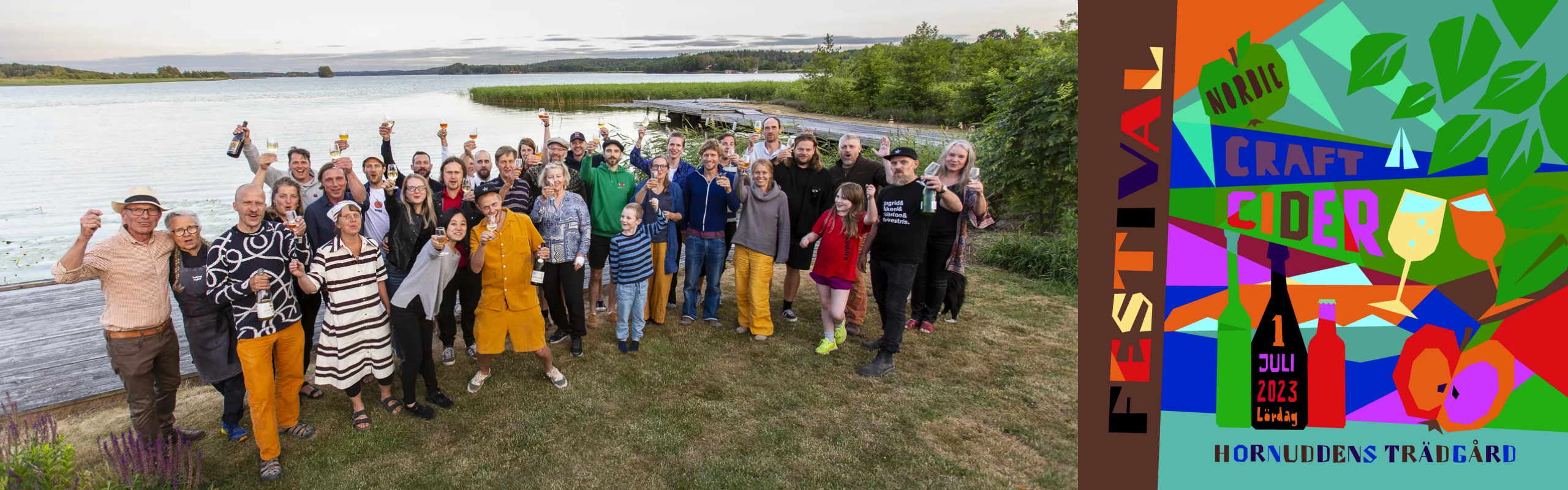 Photo: Pomologik Limited Company
In Österlen, the apple is at the center when the Swedish Championships in apple juice, Must-SM, are held in Kivik. The event started as a Leader project and has gathered cideries from all over the country to compete, taste and learn from each other. For the producers, it became a way to get feedback, be visible to new customers and discover how much can fit in a glass of apple juice.
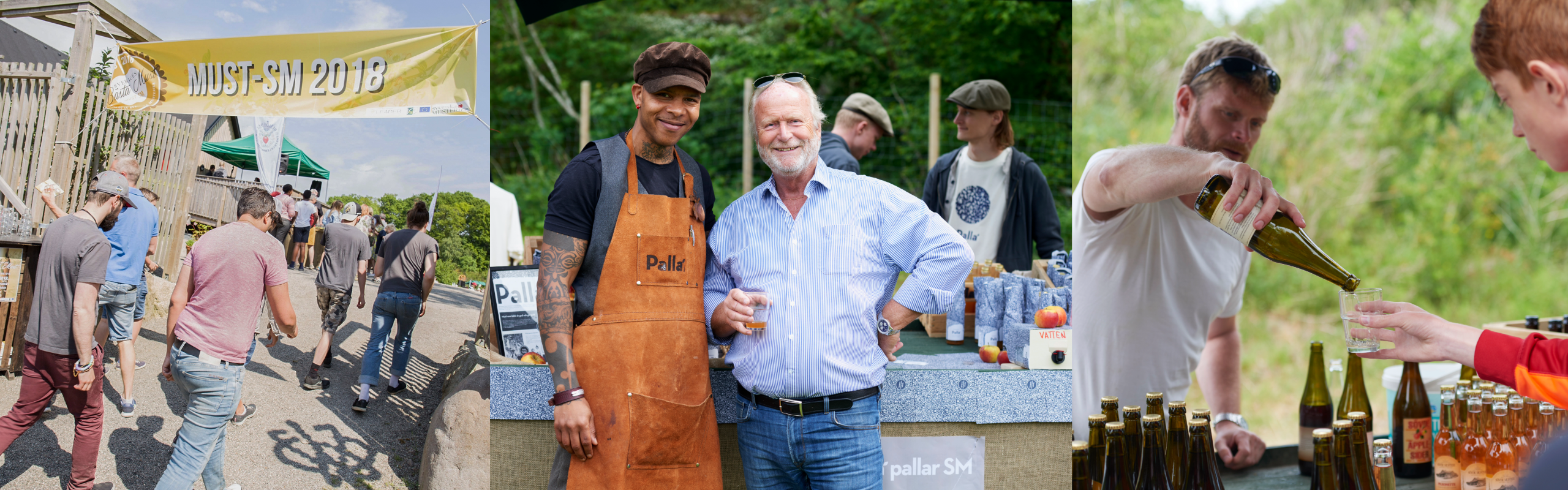
Photo: Swedish Must & Cider Producers
Common to the projects is that they show how much can happen when people gather around a common interest. The apple becomes not just a raw material or a product – it becomes a reason to meet and create new opportunities together.
”An apple can gather hundreds of people.”
The apple in the future: Dogs, cultural heritage and new ideas
The future of apple cultivation is not just about new trees and new products. Sometimes it is also about getting help from a really good nose.
In Österlen, Byrackaforever, together with, among others, Kiviks Musteri and SLU, trained search dogs to detect fruit tree cancer in apple orchards. The disease can cause significant damage but is difficult to detect in time. With the help of the dogs' sense of smell, infected trees can be discovered earlier, before the problems become visible to the eye. It is an unexpected example of how animals, cultivation, and research can meet in new ways.
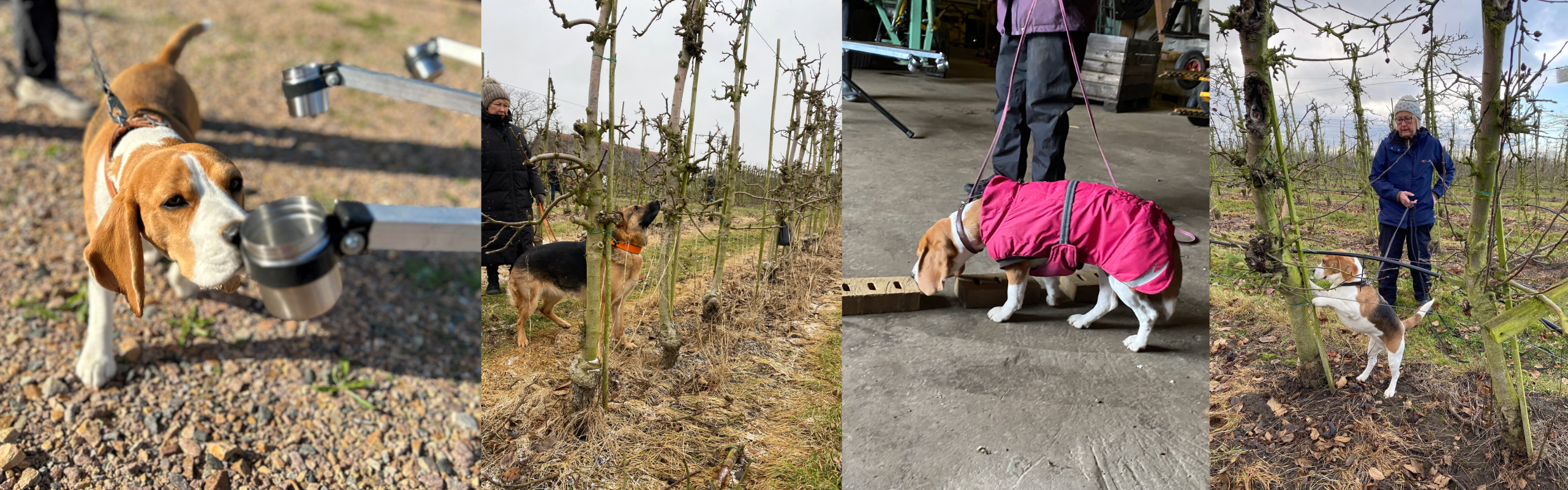
Photo: Byrackaforever & Kiviks Cider Mill
In the same part of Skåne, there is also another type of future work. In the project New life in Österlen's old apple orchards Valinge Gård Living Landscape worked to map, restore and spread knowledge about older fruit orchards. The old orchards carry not only apple varieties and stories from the past but also values for biodiversity, the landscape, and the future of small-scale cultivation.
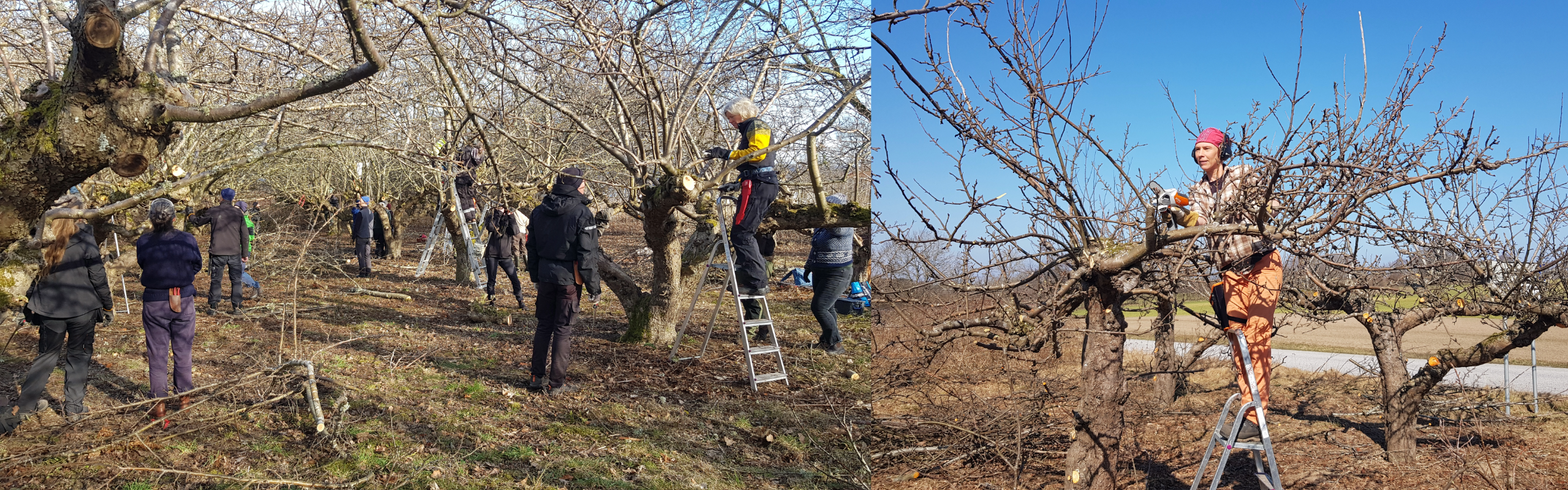 Photo: Living Landscape
Together, the projects show that the future for Swedish apples does not always start with something completely new. Sometimes it starts with listening to what already exists – in the soil, in the trees, in the landscape and, indeed, in a dog's nose.
”The future for Swedish apples can begin both in old orchards and in a dog's nose.”
Did you know that…
- The first apples are believed to have originated in present-day Kazakhstan, where wild apple trees still grow.
- Apples belong to the rose family and are actually related to both roses, pears, and rowan berries.
- An apple tree can live for over 100 years – some older trees still bear fruit after several generations.
- Bees and other pollinators are crucial for the harvest. Without pollination, there will be no apples.
- There are over 7,500 apple varieties in the world.
- Many cider apples do not look particularly appealing as eating apples – but can provide fantastic flavors in the bottle.
- About 90 percent of Sweden's commercially grown apples are grown in Skåne.
- Sweden has its own championship in apple juice: Must-SM, which started as a Leader project in Kivik.
- Dogs can be trained to detect fruit tree cancer in apple orchards – a method that has been tested in Swedish Leader projects.