From conflicts to collaboration around Immeln
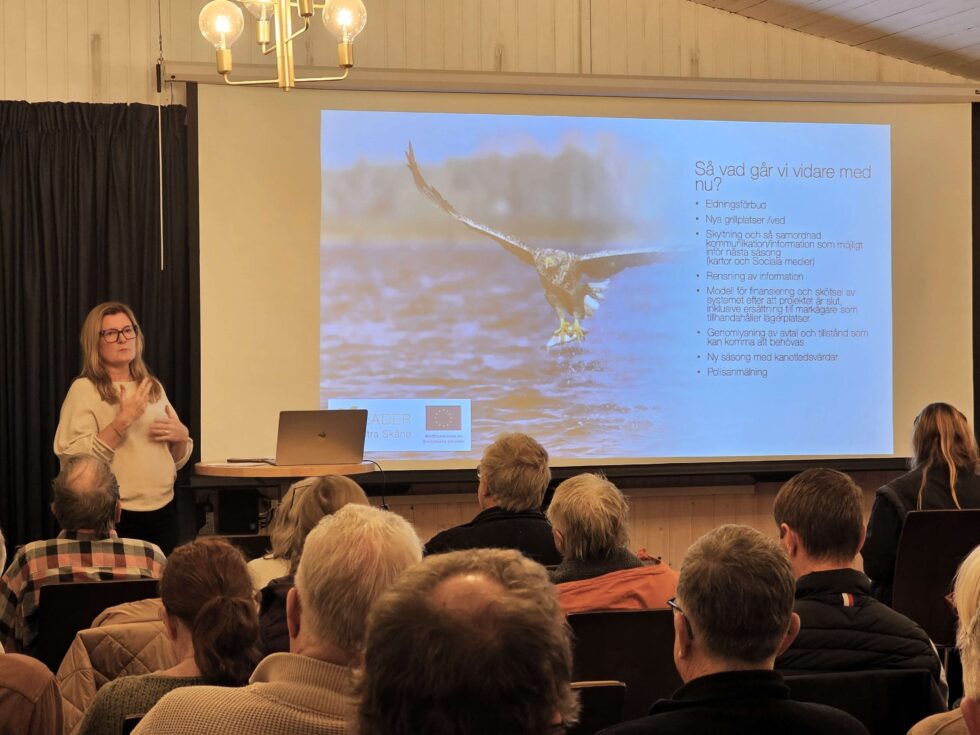
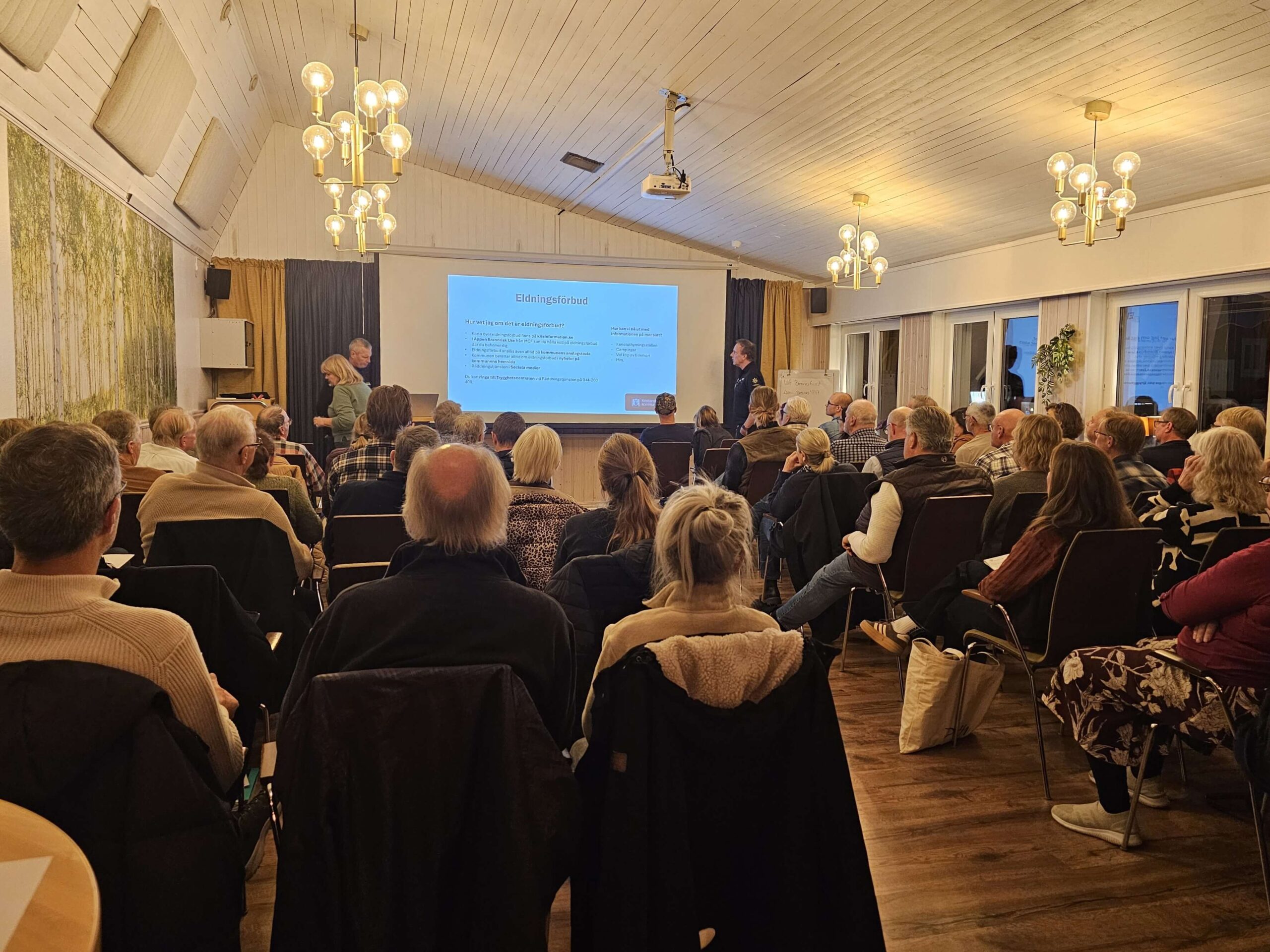
How can canoe tourism develop without nature and landowners paying the price? This was one of the major questions when around 85 people gathered at Breanäs Hotel on November 3rd. After an intense summer season, there are both new experiences and a growing desire to find common solutions.
The lake system Immeln, Raslången, and Halen attracts many canoeists and nature lovers. However, the popular outdoor life also presents challenges, including littering, illegal fires, and wear on sensitive natural environments.
Through the leader project Sustainable Canoe Trail Immeln–Raslången–Halen, landowners, municipalities, associations, and other actors are working together to find long-term sustainable solutions.
On November 3rd, the Canoe Trail Association invited to a new dialogue meeting. Compared to previous meetings, the evening was characterized by a more positive and solution-oriented tone of conversation, although several difficult questions remain.
Nature guardians make a difference
During the summer, nature guardians have been present along the canoe trail to inform visitors, prevent problems, and encourage a more considerate outdoor life.
The nature guardians Esa Åberg and Daniel Ehmann shared many positive encounters with visitors. Even when they needed to point out rule violations, they were often met with understanding and respect.
Despite the summer's drought and periods of fire bans, the rescue service reported about 14 interventions in the area – fewer than expected. The presence of nature guardians may have contributed to this, but it is still too early to draw any firm conclusions.
More barbecue areas and continued dialogue
Before the next season, the experiences will be utilized and the work further developed. Among other things, additional funding has been granted for more permanent barbecue areas, which hopefully can reduce illegal fires and fire risks.
At the same time, there is continued concern among landowners about littering, damage to nature, biodiversity, and water quality. Some participants advocated for a total ban on canoe tourism, while many others wanted to see solutions that make it possible to reconcile outdoor life with consideration for nature and landowners.
Together towards a sustainable future
Perhaps the most important outcome of the evening was the willingness to continue talking to each other and find common paths forward.
The work now continues to develop the efforts, strengthen collaboration, and follow up on the results after next summer's season.
The goal is a canoe trail where both people and nature have space – and where all those affected can participate and influence the future.
Read more about the project Sustainable Canoe Trail Immeln–Raslången–Halen >>